
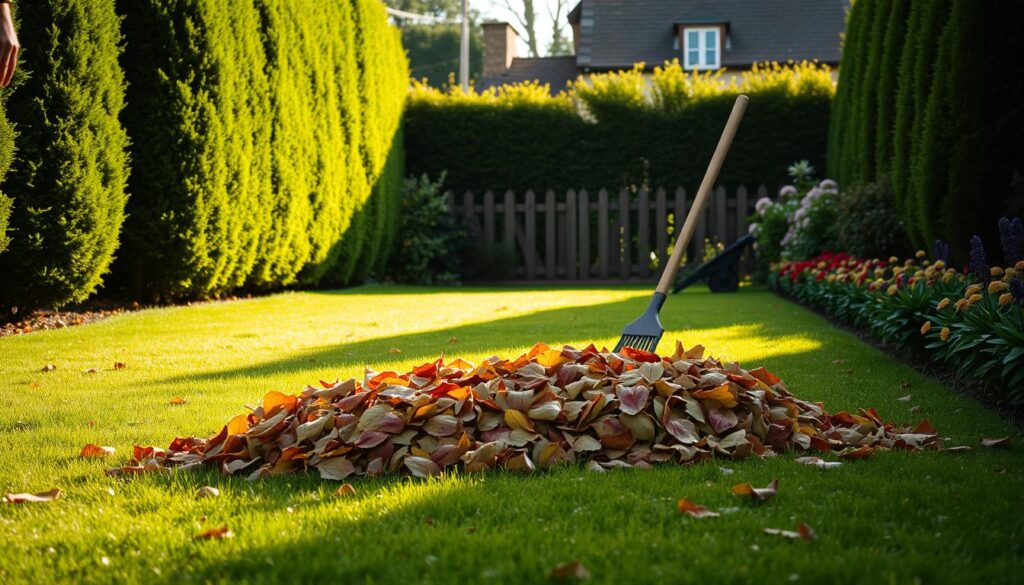
Maintaining a clean and tidy garden is crucial for a healthy and visually appealing outdoor space. Regular garden maintenance not only enhances the beauty of your yard but also prevents potential hazards and pest infestations.
A well-maintained garden is a result of consistent yard cleanup efforts. By collecting trash and leaves, you can prevent the buildup of debris that can harm plants and create an eyesore.
A clean garden is not just about aesthetics; it’s also about creating a safe and healthy environment for your family and pets to enjoy.
Key Takeaways
- Regular garden maintenance enhances the beauty of your yard.
- Yard cleanup prevents potential hazards and pest infestations.
- A clean garden creates a safe and healthy environment.
- Collecting trash and leaves prevents debris buildup.
- A well-maintained garden is a result of consistent effort.
Why Garden Cleanliness Matters
Garden cleanliness plays a significant role in ensuring the well-being of your plants and the overall garden ecosystem. A clean garden not only enhances the beauty of your outdoor space but also contributes to the health and sustainability of your plants.
Preventing Pest Infestations
One of the primary reasons for maintaining a clean garden is to prevent pest infestations. Piles of trash and leaves can attract pests such as rodents, slugs, and insects, which can damage your plants. Regular leaf disposal and trash removal can significantly reduce the risk of pest infestations, ensuring a healthier garden.
For instance, keeping your garden free of debris can prevent rodents from making it their habitat. Rodents are not only attracted to food debris but also to sheltered spots like piles of leaves. By regularly cleaning up your garden, you can deter these pests and protect your plants.
Disease Prevention for Plants
Diseases can easily spread among plants in a garden littered with debris. Dead leaves and trash can harbor fungal spores and bacteria that can infect your plants. By keeping your garden clean, you can significantly reduce the risk of disease outbreaks. Regularly removing diseased or dead plant material is a crucial aspect of disease prevention.
Moreover, a clean garden allows for better air circulation and sunlight penetration, both of which are essential for healthy plant growth. When plants are crowded or surrounded by debris, they become more susceptible to diseases. Thus, maintaining garden cleanliness is a simple yet effective pest control and disease prevention strategy.
Maintaining Garden Infrastructure
A clean garden is also easier to maintain and enjoy. Regular cleaning helps in identifying any issues with your garden infrastructure, such as damaged paths, broken fences, or clogged drains. By addressing these issues promptly, you can prevent more significant problems from developing.
Furthermore, a well-maintained garden infrastructure ensures that your garden remains a pleasant and safe space for recreation and relaxation. It also adds to the overall aesthetic appeal of your property, potentially increasing its value.
Benefits of Proper Trash and Leaf Removal
A garden free of trash and leaves is not only more visually appealing but also healthier for your plants. Proper removal of unwanted debris can significantly enhance your garden’s overall condition.
Aesthetic Improvements
Removing trash and leaves improves the visual appeal of your garden. A clean garden is more inviting and can become a serene spot for relaxation. Regular cleanup helps maintain a well-manicured look, enhancing the beauty of your outdoor space.
The aesthetic benefits also extend to the overall organization of your garden. By clearing away debris, you can better showcase your plants and garden features. This not only adds to the curb appeal of your property but also creates a more enjoyable outdoor environment.
Soil Health Enhancement
Proper trash and leaf removal can significantly impact soil health. Leaves and organic debris, when decomposed, can enrich the soil. However, excessive leaf litter can also harbor pests and diseases. Balancing leaf removal with composting can help maintain soil health.
| Benefit | Description |
| Increased Nutrient Availability | Decomposed leaves add nutrients to the soil, promoting healthy plant growth. |
| Improved Soil Structure | Composted organic matter enhances soil structure, improving water retention and aeration. |
| Reduced Soil Erosion | A clean and well-maintained garden reduces the risk of soil erosion caused by debris accumulation. |
Environmental Impact
The environmental benefits of proper trash and leaf removal are substantial. By maintaining a clean garden, you contribute to a healthier ecosystem. This practice supports local biodiversity and reduces the environmental impact of gardening activities.
Furthermore, proper disposal and recycling of garden waste can minimize landfill waste and reduce greenhouse gas emissions associated with waste decomposition. Sustainable gardening practices like composting can turn waste into a valuable resource.
Effective Methods for Garden Trash and Leaf Removal
A clean garden is not just aesthetically pleasing, but also crucial for the health of your plants, starting with the removal of trash and leaves. Effective garden maintenance involves a combination of traditional techniques and modern tools.
Manual Collection Techniques
Manual collection is a straightforward and cost-effective method for removing garden waste. It involves physically gathering trash and leaves from your garden.
Raking Best Practices
Raking is a fundamental technique in garden waste removal. To do it effectively, use a sturdy rake that can handle the type of leaves or debris you’re dealing with. For instance, a fan rake is ideal for leaves, while a garden rake is better for heavier debris.
Tip: Rake in the morning when leaves are typically damp and easier to manage.
Bagging and Containment
Once you’ve raked up the debris, the next step is to bag it. Use biodegradable bags or containers to make disposal easier and more environmentally friendly.
“Proper disposal of garden waste is not just about keeping your garden clean; it’s also about reducing your environmental footprint.”
— Environmental Gardening Expert
Tools and Equipment
The right tools can make garden trash and leaf removal significantly easier. From hand tools to power equipment, the choice depends on the size of your garden and the amount of waste.
Essential Hand Tools
Hand tools such as rakes, gloves, and trowels are indispensable for garden maintenance. They allow for precise removal of waste without damaging plants.
Power Equipment Options
For larger gardens or significant amounts of waste, consider using power equipment like leaf blowers or garden vacuums. These tools can save time and effort.
| Tool | Purpose | Best For |
| Rake | Gathering leaves and debris | Small to medium gardens |
| Leaf Blower | Moving large amounts of leaves | Large gardens or commercial use |
| Garden Vacuum | Sucking up leaves and debris | Gardens with many trees or large areas |
Sustainable Disposal and Recycling
Disposing of garden waste sustainably is crucial for minimizing environmental impact. Consider composting leaves and other organic materials to create nutrient-rich soil for your garden.
Composting not only reduces waste but also enhances soil health, promoting a more sustainable gardening practice.
By adopting these methods, you can maintain a clean, healthy, and sustainable garden.
Conclusion
Regular trash and leaf removal is crucial for a garden’s overall health and aesthetic appeal. By understanding the importance of garden cleanliness and implementing effective removal methods, you can prevent pest infestations, maintain soil health, and enhance your garden’s visual appeal.
By following the garden maintenance tips outlined in this article, you can ensure your outdoor space remains a haven for plants to thrive. Proper trash and leaf removal not only improves the appearance of your garden but also contributes to a healthier environment.
Make garden maintenance a regular part of your routine to enjoy the benefits of a well-maintained outdoor space. Effective Trash and Leaf Removal practices will help you achieve a beautiful and thriving garden.
FAQ
Why is it essential to collect trash and leaves in my garden?
Collecting trash and leaves is crucial for maintaining a healthy and aesthetically pleasing outdoor space, as it prevents pest infestations, diseases among plants, and maintains the garden’s infrastructure.
How does garden cleanliness impact the environment?
Proper trash and leaf removal has a positive environmental impact by reducing waste, preventing pollution, and promoting sustainable gardening practices.
What are the benefits of removing trash and leaves from my garden?
Removing trash and leaves improves the garden’s aesthetics, enhances soil health, and contributes to a healthier environment.
What are the best methods for removing trash and leaves from my garden?
Effective methods include manual collection techniques, such as raking and bagging, using the right tools and equipment, and adopting sustainable disposal and recycling practices.
What tools and equipment do I need for garden trash and leaf removal?
Essential tools include hand rakes, leaf blowers, and compost bins, while power equipment options like lawn mowers with bag attachments can also be useful.
How can I dispose of or recycle garden waste sustainably?
Sustainable disposal and recycling methods include composting, reusing organic materials, and participating in local curbside collection programs for yard waste.
Can removing trash and leaves from my garden really make a difference?
Yes, maintaining a clean garden by removing trash and leaves can significantly impact the health and beauty of your outdoor space, as well as contribute to a more sustainable environment.